| TBD Panels | 3-Panel STD Test | 9-Panel STD Test | 5-Panel STD Test | 3 Site: Oral, Rectal, Genital |
|---|---|---|---|---|
| Chlamydia |  | | | |
| Gonorrhea | | | | |
| Trichomoniasis | | | | |
| HIV (Ag/Ab) | | | ||
| Syphilis | | | ||
| Hepatitis B & C | | |||
| HSV I | | |||
| HSV II | |
| TBD Panels | 3-Panel STD Test | 9-Panel STD Test | 5-Panel STD Test | 3 Site: Oral, Rectal, Genital |
|---|---|---|---|---|
| Chlamydia | | | | |
| Gonorrhea | | | | |
| Trichomoniasis | | | | |
| HIV (Ag/Ab) | | | ||
| Syphilis | | | ||
| Hepatitis B & C | | |||
| HSV I | | |||
| HSV II | |


Sexually transmitted infections (STIs) and urinary tract infections (UTIs) are common health concerns that can have serious consequences if left untreated. Recognizing the symptoms and seeking proper medical care is needed for early detection and treatment.
Understanding the Difference between STIs and UTIs
STIs and UTIs are two distinct types of infections that affect different parts of the body. While both can cause discomfort and affect your overall well-being, it's important to understand the differences between them.
STIs (Sexually Transmitted Infections)
STIs are infections that are transmitted through sexual contact, including vaginal, anal, or oral sex. They can be caused by bacteria, viruses, or parasites, and can have serious long-term health consequences if left untreated. Common types of STIs include chlamydia, gonorrhea, syphilis, herpes, and HPV.
UTIs (Urinary Tract Infections)
UTIs, on the other hand, are infections that occur in the urinary tract, which includes the bladder, urethra, kidneys, and ureters. They are usually caused by bacteria entering the urinary tract, leading to inflammation and infection. UTIs are not sexually transmitted, but certain sexual activities can increase the risk of developing a UTI.

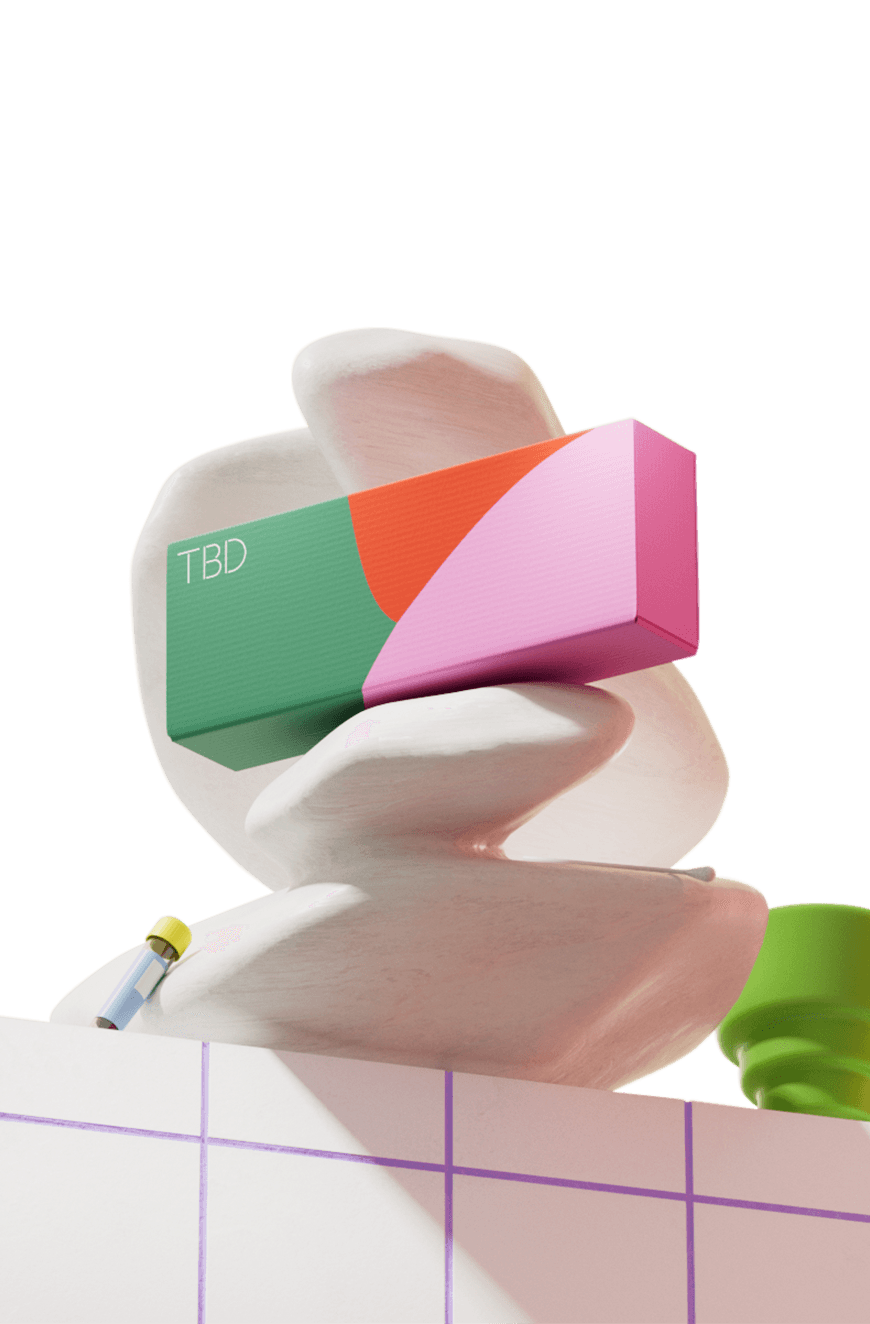 Discreet packagingHSA/FSA AcceptedCare plan + RxNo insurance required
per test

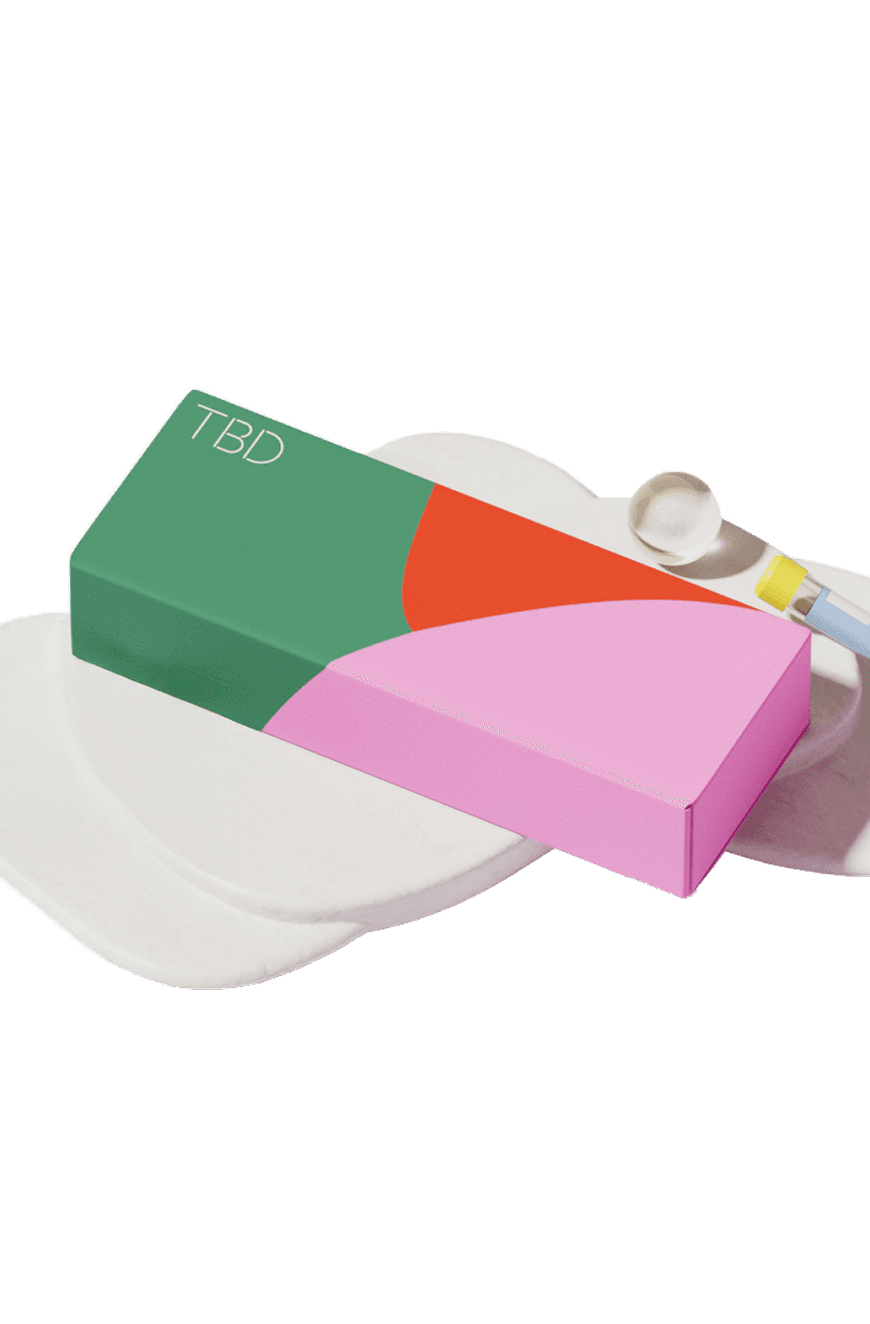 Discreet packagingHSA/FSA AcceptedCare plan + RxNo insurance required
per test

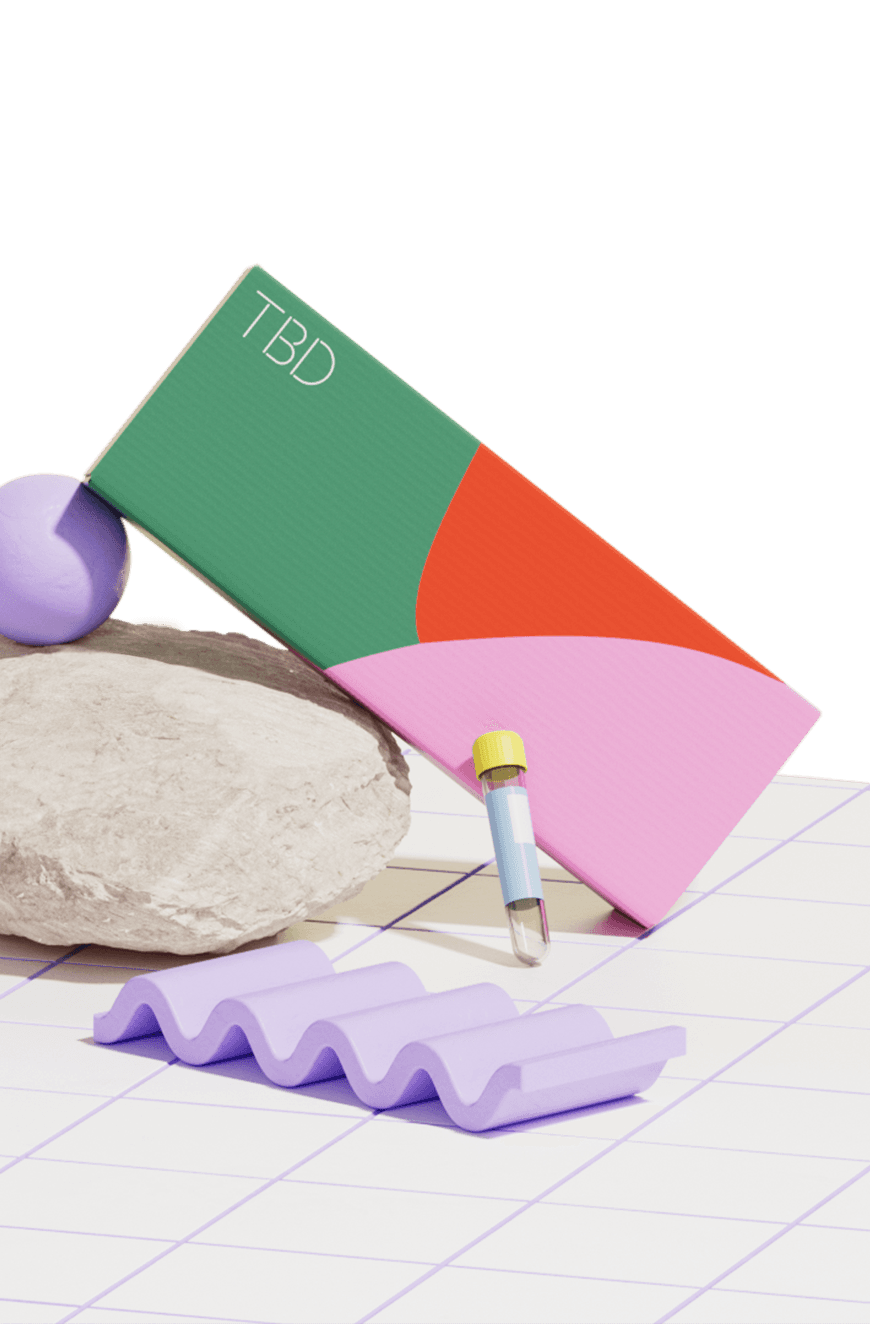 Discreet packagingHSA/FSA AcceptedCare plan + RxNo insurance required
per test
Recognizing the Symptoms
Recognizing the symptoms of STIs and UTIs is essential for early detection and treatment. While the symptoms can vary depending on the specific infection, there are some common signs to watch out for.
Symptoms of STIs
Common symptoms of STIs may include genital sores or warts, unusual discharge from the penis or vagina, pain or burning during urination, itching or irritation in the genital area, and pain during sexual intercourse. However, it's important to note that some STIs may not show any symptoms at all, which is why regular testing is needed for overall wellbeing.
Symptoms of UTIs
Symptoms of UTIs often include a strong, persistent urge to urinate, a burning sensation during urination, cloudy or bloody urine, frequent urination in small amounts, and pelvic pain. If you experience any of these symptoms, it's important to seek medical attention for proper diagnosis and treatment.
Prevention and the Importance of Testing
Prevention is key when it comes to STIs and UTIs. Practicing safe sex, using condoms, and getting vaccinated against certain STIs can help reduce the risk of infection. Additionally, maintaining good hygiene and staying hydrated can lower the chances of developing a UTI.
However, even with preventive measures in place, it's important to get tested regularly. Early detection and treatment are crucial for managing STIs and UTIs effectively. Testing allows healthcare professionals to identify infections and provide appropriate treatment before they cause further complications or spread to others.
Being aware of the symptoms and differences between STIs and UTIs is essential for maintaining your sexual and urinary health. If you suspect you may have an STI or UTI, don't hesitate to seek medical attention. Early diagnosis and treatment can prevent long-term health complications and protect both your well-being and the well-being of your sexual partners. Consider visiting one of TBD Health's providers at either the Las Vegas or Denver Care hub in person, or with an at home testing kit. Remember, taking care of your sexual and urinary health is a vital part of overall well-being.
Email us and a team member will get back to you within 24 hours. We’re also available via call or text at +1 (702) 909-0554
Sign up below to get 10% off
By providing my email address, I agree to receive email with marketing communications from TBD Health including news, promotions and exclusive offers. I understand that I can opt out at any time by using unsubscribe links. Visit our Terms of Service or Privacy Policy for more information.