| TBD Panels | 3-Panel STD Test | 9-Panel STD Test | 5-Panel STD Test | 3 Site: Oral, Rectal, Genital |
|---|---|---|---|---|
| Chlamydia |  | | | |
| Gonorrhea | | | | |
| Trichomoniasis | | | | |
| HIV (Ag/Ab) | | | ||
| Syphilis | | | ||
| Hepatitis B & C | | |||
| HSV I | | |||
| HSV II | |
| TBD Panels | 3-Panel STD Test | 9-Panel STD Test | 5-Panel STD Test | 3 Site: Oral, Rectal, Genital |
|---|---|---|---|---|
| Chlamydia | | | | |
| Gonorrhea | | | | |
| Trichomoniasis | | | | |
| HIV (Ag/Ab) | | | ||
| Syphilis | | | ||
| Hepatitis B & C | | |||
| HSV I | | |||
| HSV II | |


Herpes is a common sexually transmitted infection that affects millions of people worldwide. It is caused by the herpes simplex virus (HSV) and can be transmitted through sexual contact or skin-to-skin contact with an infected person. While some individuals may experience noticeable symptoms, others may be unaware that they have herpes. In this article, we will explore the possibility of having herpes without knowing it.
Can you have herpes and not know it?
It is indeed possible to have herpes and be unaware of it. This is because herpes can be asymptomatic, meaning that infected individuals may not experience any visible symptoms. In fact, according to the Centers for Disease Control and Prevention (CDC), around 80% of people infected with HSV-2, the most common type of genital herpes, are unaware that they have the virus. This presents a significant challenge as asymptomatic individuals can still transmit the infection to their sexual partners unknowingly.

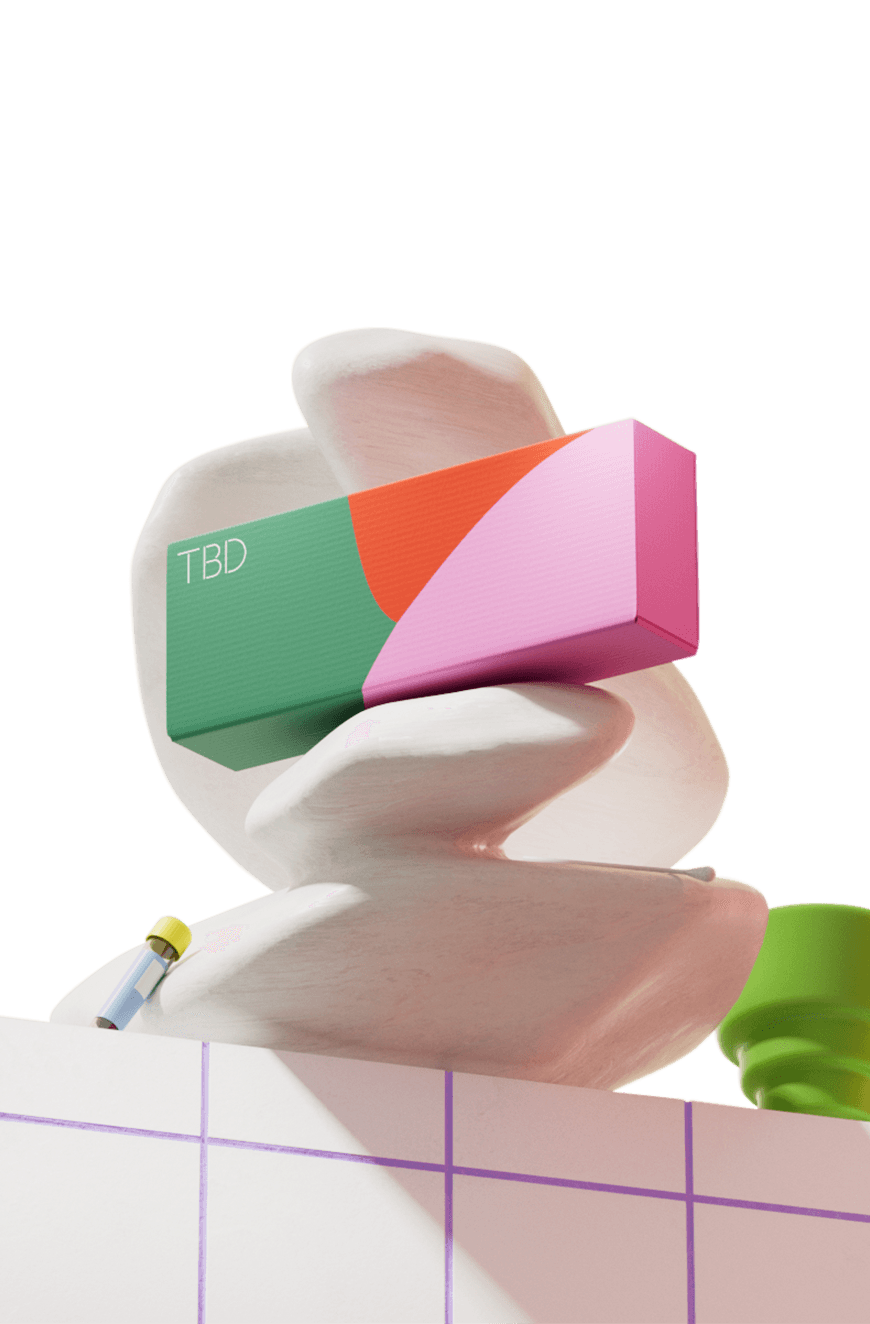 Discreet packagingHSA/FSA AcceptedCare plan + RxNo insurance required
per test

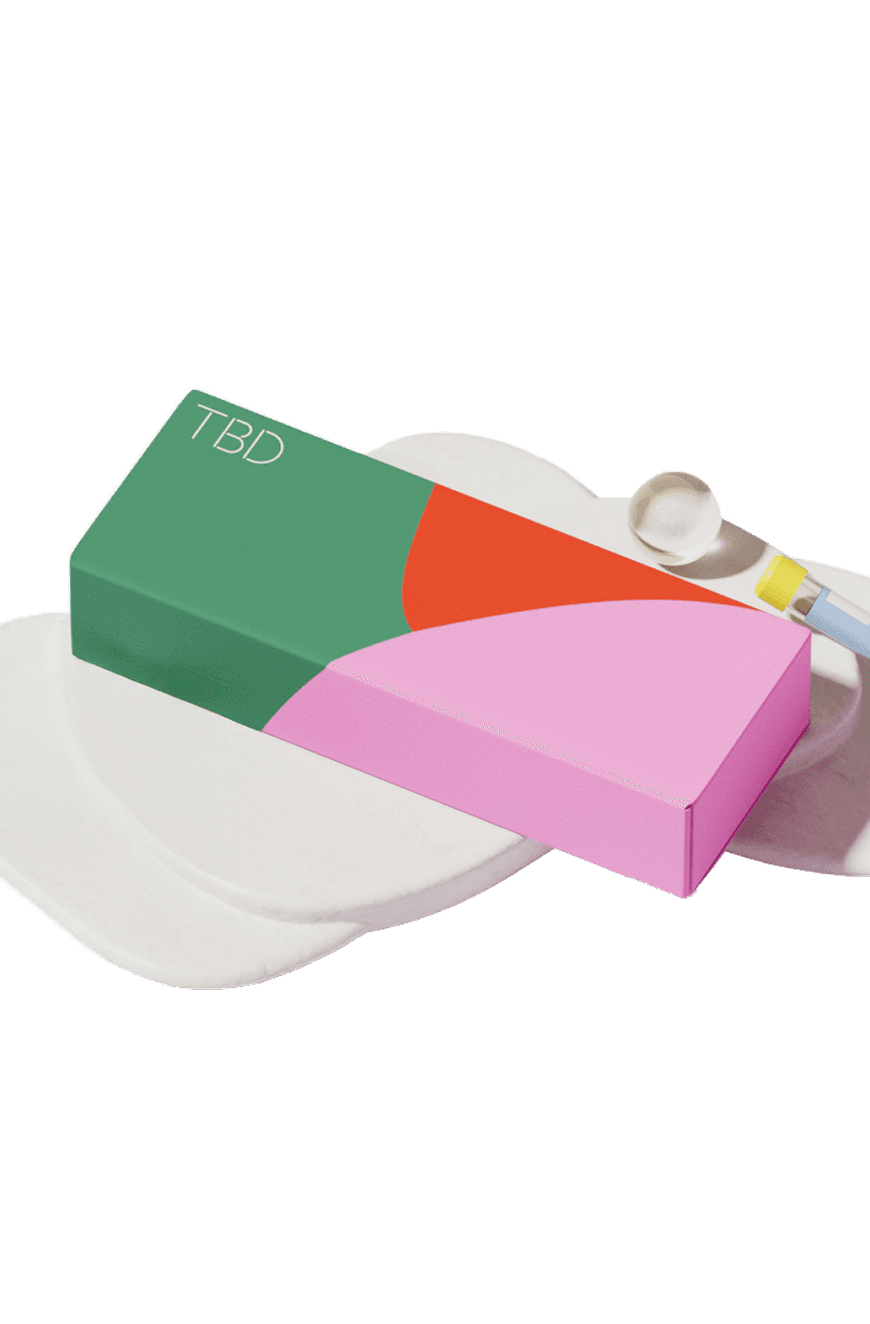 Discreet packagingHSA/FSA AcceptedCare plan + RxNo insurance required
per test

 Discreet packagingHSA/FSA AcceptedCare plan + RxNo insurance required
per test
Common Types of Herpes:
There are two main types of herpes: HSV-1 and HSV-2. HSV-1 is primarily associated with oral herpes or cold sores, while HSV-2 is typically linked to genital herpes. However, it is important to note that either type can infect both the mouth and the genitals.
Symptoms of Herpes:
Individuals who do experience symptoms may notice the following:
- Oral Herpes (HSV-1):
- Cold sores or fever blisters on or around the mouth
- Tingling or itching sensation before the sores appear
- Painful ulcers or blisters that can last for a few days
- Genital Herpes (HSV-2):
- Small, red bumps or blisters in the genital area
- Itching or tingling sensation before the blisters appear
- Painful ulcers or open sores that can take weeks to heal
Prevention Methods:
Preventing the spread of herpes is crucial, especially since many people may be unaware that they have the infection. Here are some effective prevention methods:
Practice safe sex: Using condoms consistently and correctly can reduce the risk of transmitting herpes during sexual activity.
Avoid skin-to-skin contact: Avoid direct contact with the affected areas during an outbreak, as the virus can be easily transmitted through skin-to-skin contact.
Communicate with sexual partners: Open and honest communication about sexual health is essential. Discussing herpes and getting tested together can help prevent the spread of the infection.
In conclusion, it is possible to have herpes and not know it, as the infection can be asymptomatic in many cases. Understanding the common types, symptoms, and prevention methods of herpes is crucial for preventing its spread. Regular testing is highly recommended, especially for individuals who are sexually active or don't know their partner's STI status. If you suspect that you may have herpes or simply want to get tested for peace of mind, consider visiting TBD Health either in person in Las Vegas or Denver or with an at home kit.
Email us and a team member will get back to you within 24 hours. We’re also available via call or text at +1 (702) 909-0554
Sign up below to get 10% off
By providing my email address, I agree to receive email with marketing communications from TBD Health including news, promotions and exclusive offers. I understand that I can opt out at any time by using unsubscribe links. Visit our Terms of Service or Privacy Policy for more information.