| TBD Panels | 3-Panel STD Test | 9-Panel STD Test | 5-Panel STD Test | 3 Site: Oral, Rectal, Genital |
|---|---|---|---|---|
| Chlamydia |  | | | |
| Gonorrhea | | | | |
| Trichomoniasis | | | | |
| HIV (Ag/Ab) | | | ||
| Syphilis | | | ||
| Hepatitis B & C | | |||
| HSV I | | |||
| HSV II | |
| TBD Panels | 3-Panel STD Test | 9-Panel STD Test | 5-Panel STD Test | 3 Site: Oral, Rectal, Genital |
|---|---|---|---|---|
| Chlamydia | | | | |
| Gonorrhea | | | | |
| Trichomoniasis | | | | |
| HIV (Ag/Ab) | | | ||
| Syphilis | | | ||
| Hepatitis B & C | | |||
| HSV I | | |||
| HSV II | |


Bacterial vaginosis is a common vaginal infection that affects millions of people worldwide and is nothing to be embarrassed about! In fact, 75% of all people with vaginas will get at least one in their lifetime. It is characterized by an imbalance of bacteria in the vagina, leading to symptoms such as unusual discharge, itching, and a strong odor. While it can be frustrating to experience recurrent episodes of bacterial vaginosis, understanding the underlying causes can help in finding effective prevention and treatment strategies.
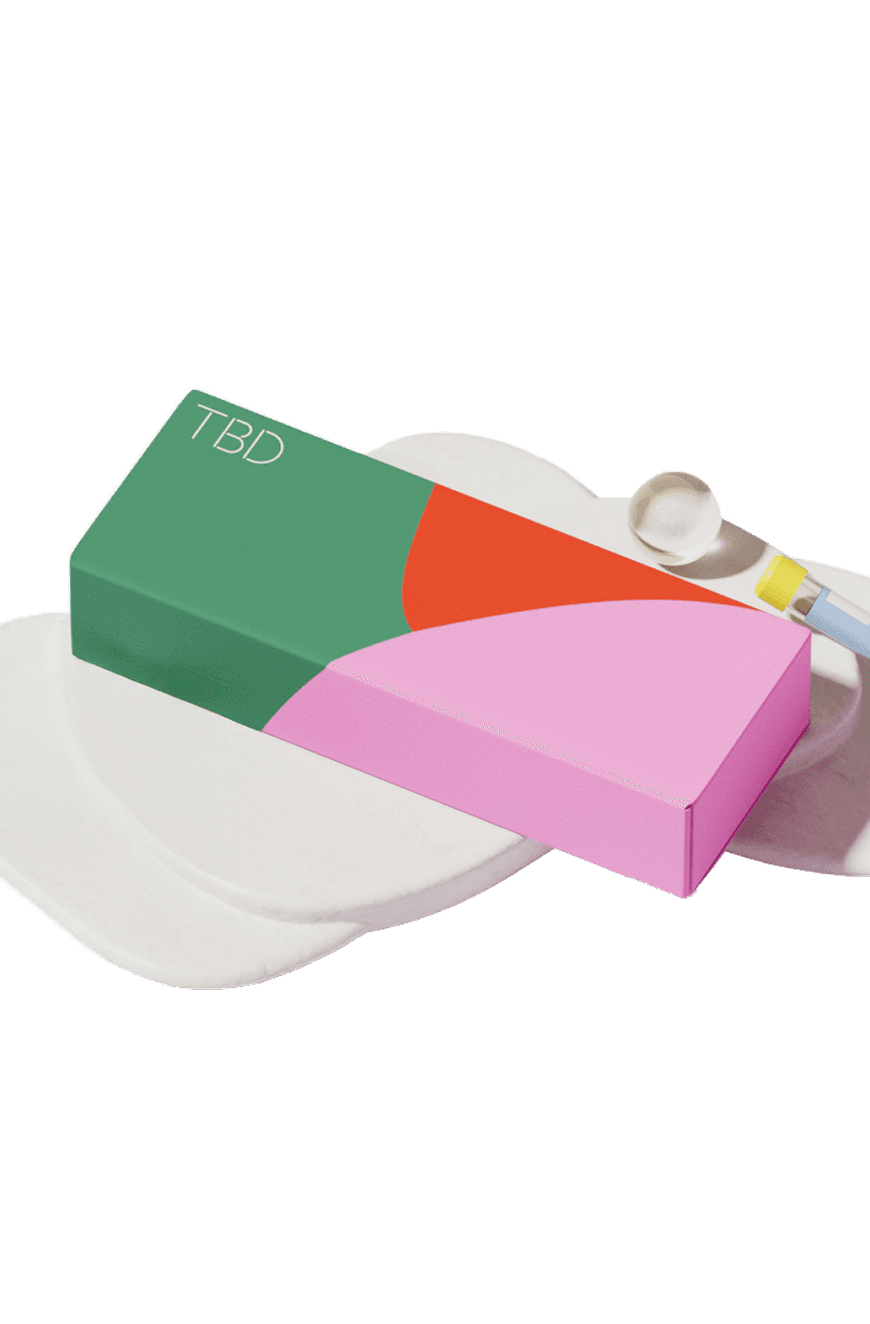
TBD Recommends: At-Home Bacterial Vaginosis Testing Kit
Types and Symptoms of Bacterial Vaginosis
Bacterial vaginosis can occur in different forms, each with its own set of symptoms. The most common type is non-specific bacterial vaginosis, which is characterized by a fishy odor and a thin, grayish-white discharge. Other types include aerobic vaginitis and cytolytic vaginosis, each presenting with distinct symptoms. It is important to be aware of these differences, as proper diagnosis can lead to more effective treatment.

 Discreet packagingHSA/FSA AcceptedCare plan + RxNo insurance required
per test

 Discreet packagingHSA/FSA AcceptedCare plan + RxNo insurance required
per test

 Discreet packagingHSA/FSA AcceptedCare plan + RxNo insurance required
per test
Common Causes of Recurrent Bacterial Vaginosis
There are several reasons why some people may experience recurrent episodes of bacterial vaginosis. One of the main causes is an imbalance in the vaginal microbiome. The vagina naturally contains a delicate balance of bacteria, including lactobacilli, which help maintain a healthy environment. Disruptions to this balance, such as the overgrowth of harmful bacteria, can lead to bacterial vaginosis. Other factors that may contribute to recurrent episodes include sexual activity, douching, the use of certain hygiene products, and hormonal changes.
Prevention Strategies for Bacterial Vaginosis
While it may not always be possible to completely prevent bacterial vaginosis, there are steps that can be taken to reduce the risk of recurrence. First and foremost, maintaining good vaginal hygiene is crucial. This includes avoiding harsh soaps and douches, wearing breathable underwear, and practicing safe sex. Additionally, it is important to avoid behaviors that can disrupt the vaginal microbiome, such as excessive washing or using scented products. Making these changes can help create a more favorable environment for the growth of healthy bacteria.
Learn More: How to Get Rid of Bacterial Vaginosis
The Importance of Testing and Early Detection
Early detection of bacterial vaginosis is essential for effective treatment and prevention of complications. Many people may mistake the symptoms of bacterial vaginosis for other vaginal infections or yeast infections. Getting tested with TBD Health either in person at our Las Vegas or Denver Care hubs, or with our at home testing kits can help give clarity into what's going on with your vagina.
Experiencing recurrent bacterial vaginosis can be frustrating and uncomfortable. However, understanding the causes and taking preventive measures can help minimize the risk of recurrence. Testing and early detection are crucial in managing bacterial vaginosis effectively and prevent from prolonged discomfort. Even at home, TBD Health has you covered with their at home test kits.
Email us and a team member will get back to you within 24 hours. We’re also available via call or text at +1 (702) 909-0554
Sign up below to get 10% off
By providing my email address, I agree to receive email with marketing communications from TBD Health including news, promotions and exclusive offers. I understand that I can opt out at any time by using unsubscribe links. Visit our Terms of Service or Privacy Policy for more information.