| TBD Panels | 3-Panel STD Test | 9-Panel STD Test | 5-Panel STD Test | 3 Site: Oral, Rectal, Genital |
|---|---|---|---|---|
| Chlamydia |  | | | |
| Gonorrhea | | | | |
| Trichomoniasis | | | | |
| HIV (Ag/Ab) | | | ||
| Syphilis | | | ||
| Hepatitis B & C | | |||
| HSV I | | |||
| HSV II | |
| TBD Panels | 3-Panel STD Test | 9-Panel STD Test | 5-Panel STD Test | 3 Site: Oral, Rectal, Genital |
|---|---|---|---|---|
| Chlamydia | | | | |
| Gonorrhea | | | | |
| Trichomoniasis | | | | |
| HIV (Ag/Ab) | | | ||
| Syphilis | | | ||
| Hepatitis B & C | | |||
| HSV I | | |||
| HSV II | |


Sexually transmitted infections (STIs) are a widespread concern that affects millions of people worldwide. Understanding the different types of STIs, their symptoms, and the importance of prevention and early detection is important for maintaining sexual health.
Types of STIs
There are several types of STIs, each with its own set of symptoms and potential complications. The most common STIs include:
Chlamydia: Chlamydia is a bacterial infection that can affect anyone. It is often asymptomatic, making regular routine testing an important part of detecting an active infection. Common symptoms include pain during urination, unusual discharge, and pelvic pain.
Gonorrhea: Gonorrhea is another bacterial infection that primarily affects the genital tract but can also infect the throat and rectum. Symptoms may include painful urination, discharge, and in some cases, pelvic pain.
Human papillomavirus (HPV): HPV is a viral infection that can cause genital warts and certain types of cancer. In many cases, HPV does not present any symptoms, making regular testing and vaccination vital for prevention.
Herpes: Herpes is a viral infection that causes painful sores and blisters. It can be transmitted through sexual contact and has no cure. Antiviral medications can help manage symptoms and reduce the risk of transmission to partners.
TBD Recommends: At-Home 3-Panel STD Test

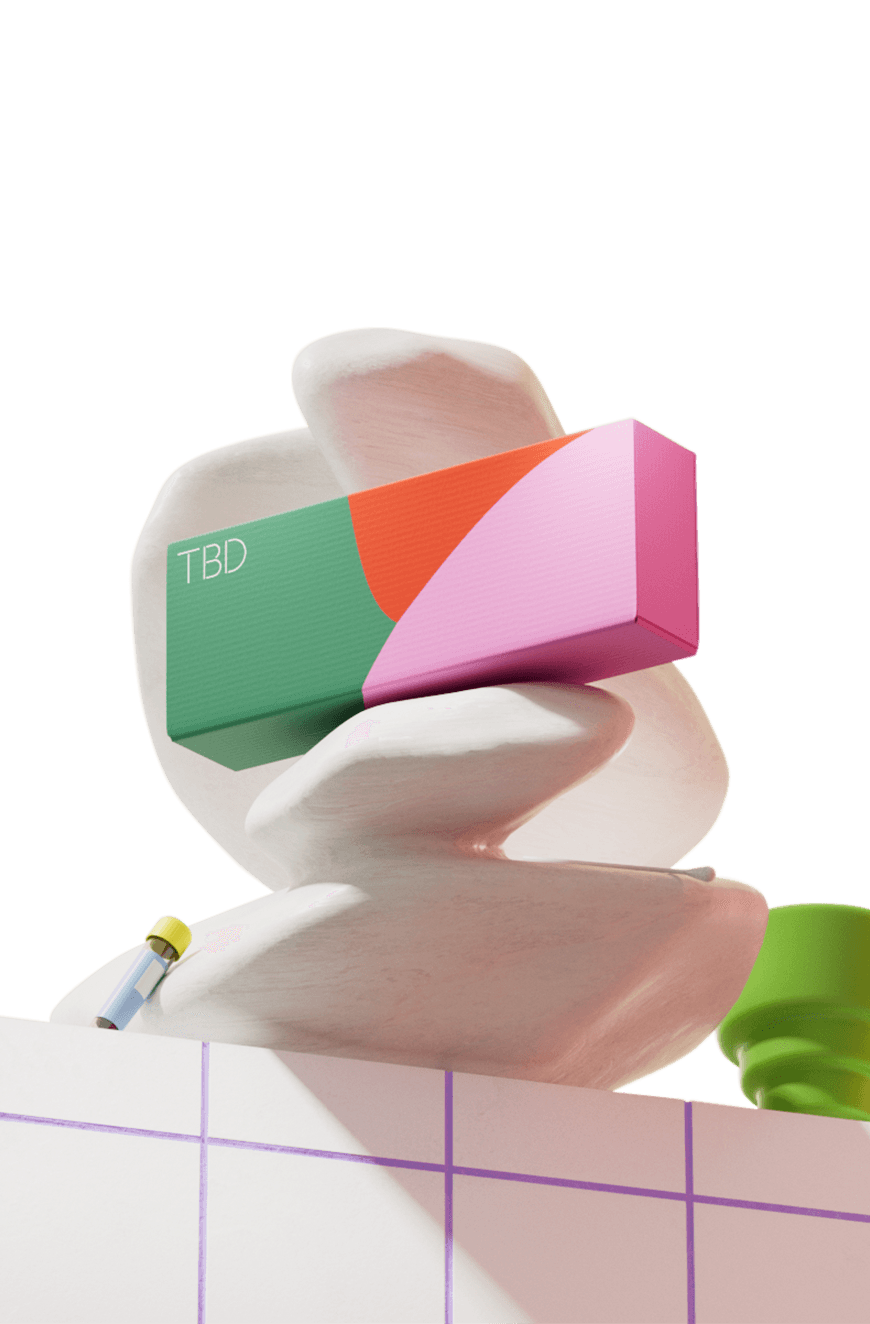 Discreet packagingHSA/FSA AcceptedCare plan + RxNo insurance required
per test

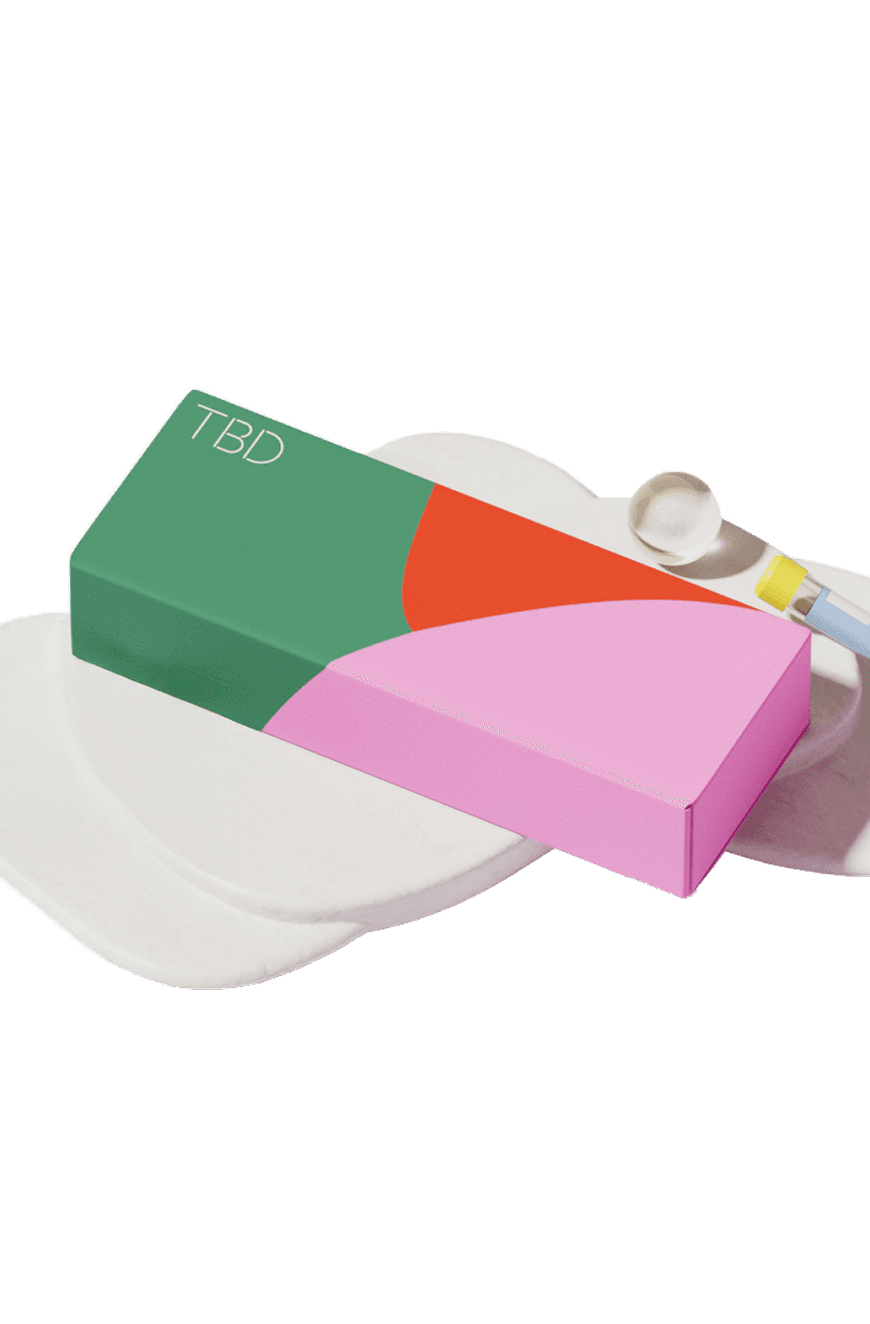 Discreet packagingHSA/FSA AcceptedCare plan + RxNo insurance required
per test

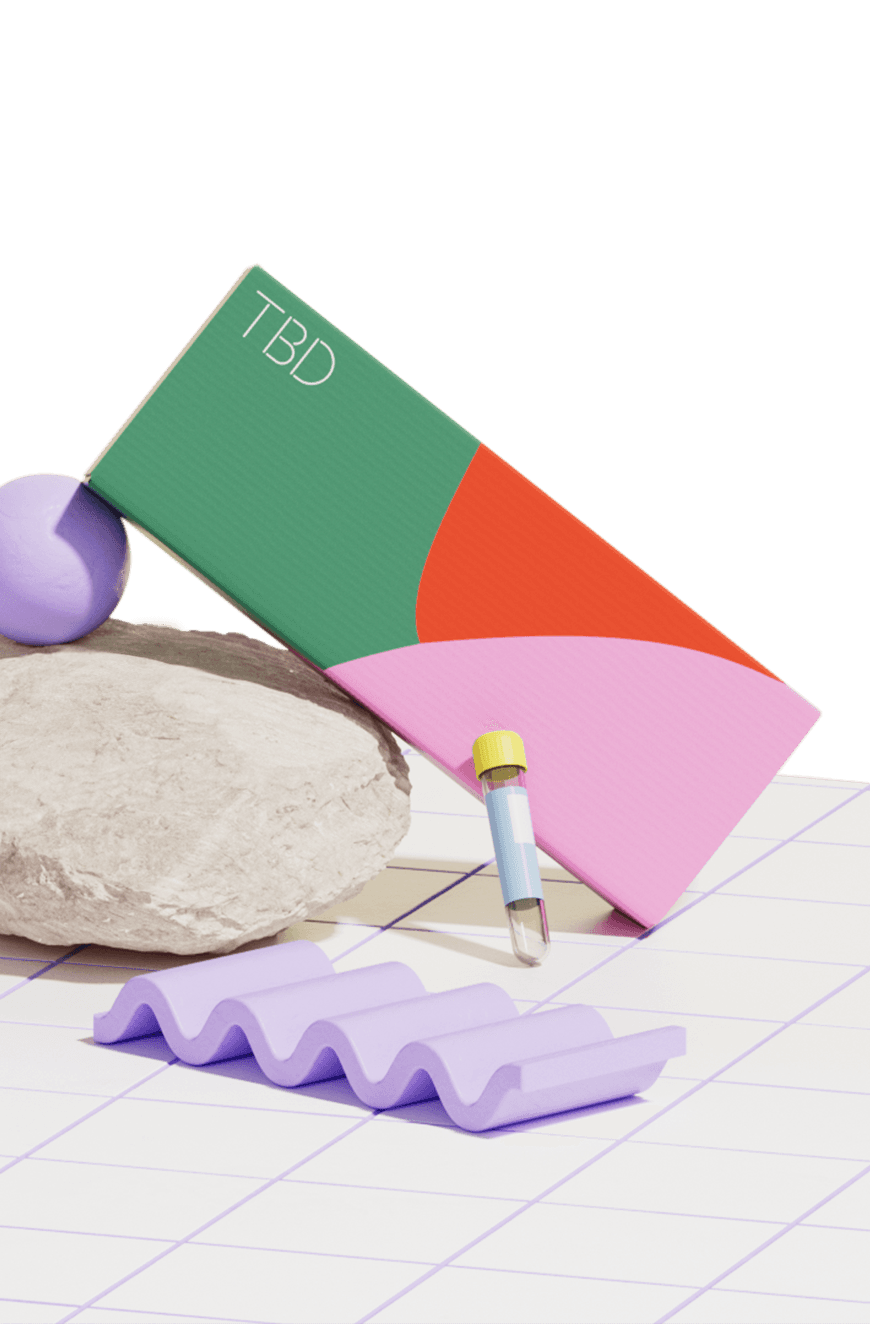 Discreet packagingHSA/FSA AcceptedCare plan + RxNo insurance required
per test
Symptoms and Complications
While some STIs may not present any symptoms, others can cause discomfort and potentially lead to severe complications. Common symptoms of STIs include:
- Unusual discharge from the genitals
- Painful urination
- Itching or irritation in the genital area
- Sores, warts, or blisters
- Pelvic pain or abdominal discomfort
If left untreated, STIs can lead to complications such as infertility, chronic pain, and an increased risk of contracting other infections.
Prevention Methods
Prevention is a key factor in reducing the risk of contracting an STI. Here are some effective prevention methods:
Practice safe sex: Consistently using condoms during sexual intercourse can significantly reduce the risk of STI transmission.
Get vaccinated: Vaccinations are available for certain types of STIs, such as HPV. Talk to your healthcare provider to determine if vaccination is appropriate for you.
Communicate with sexual partners: It is essential to communicate openly with partners about sexual health and the steps you will take that work best for your unique relationship.
TBD Recommends: Take the Sexual Health Quiz
Importance of Testing
Regular testing is essential for early detection and treatment of STIs. Testing allows for prompt intervention, reducing the risk of complications and transmission to others. It is recommended to get tested:
- At the beginning of a new sexual relationship
- After engaging in unprotected sex
- If you experience any symptoms or suspect you may have been exposed to an STI
Well that concludes our crash course in STIs. Remember with proper education, prevention, and early detection, you can minimize the risks of STIs. If you suspect you may have an STI or simply want to prioritize your sexual health, consider visiting a TBD care hub in Denver or Las Vegas, or using an at home test kit to get yourself checked out.
Email us and a team member will get back to you within 24 hours. We’re also available via call or text at +1 (702) 909-0554
Sign up below to get 10% off
By providing my email address, I agree to receive email with marketing communications from TBD Health including news, promotions and exclusive offers. I understand that I can opt out at any time by using unsubscribe links. Visit our Terms of Service or Privacy Policy for more information.